
Yes. FARFLY has its own production base in Wuxi, China, but we are not just a flooring manufacturing factory.
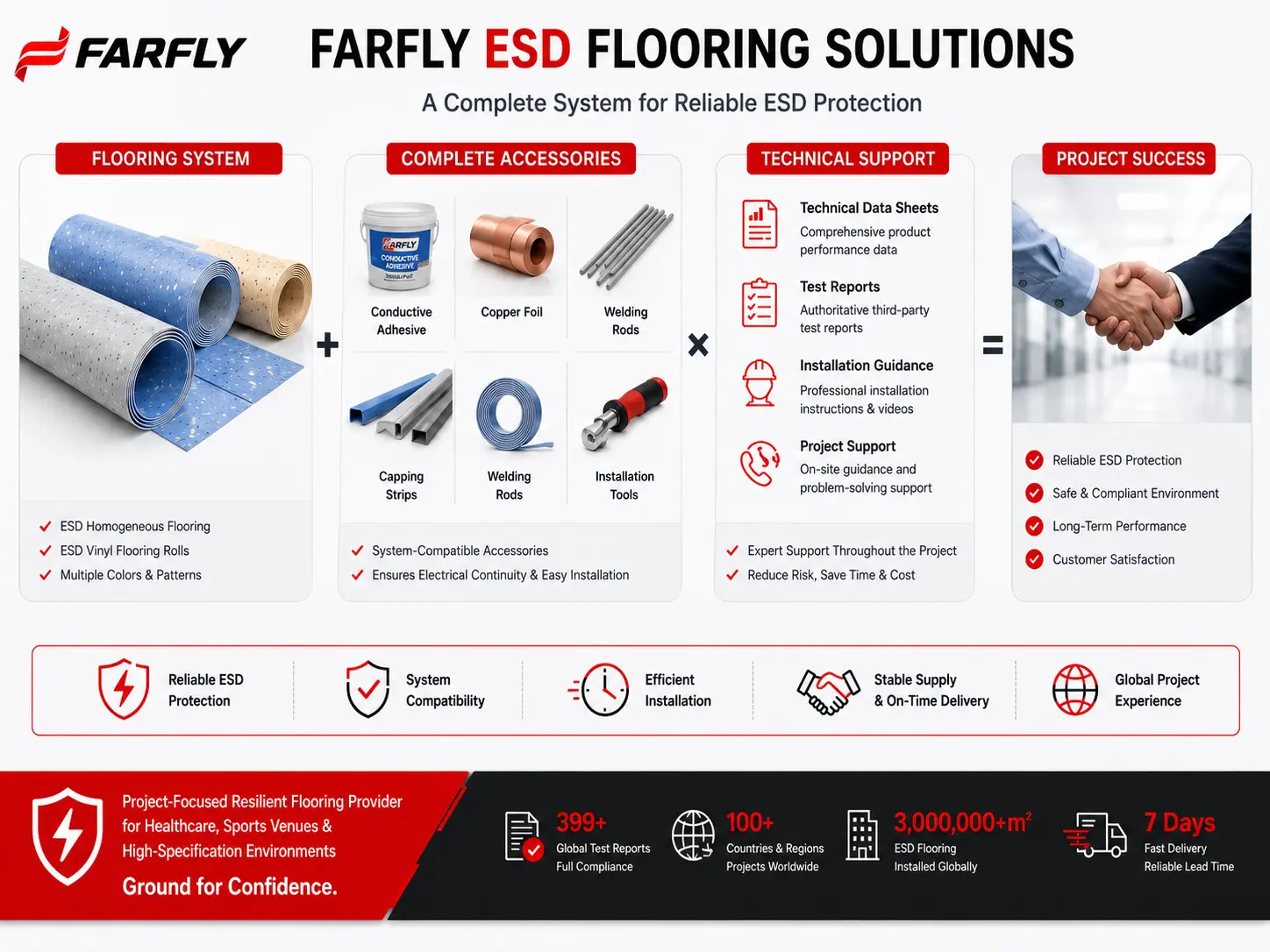
FARFLY focuses on providing high-standard resilient flooring system solutions by combining our manufacturing capabilities with comprehensive project services and system support.
We have not only production capacity, but also product development capabilities. This allows us to better control product quality, production schedules, batch stability, color consistency, and delivery lead times.
At the same time, what we provide to customers goes far beyond flooring products themselves. From early-stage product selection, technical documentation, and sample support to project execution support such as matching adhesives and accessories, installation guidance, technical support, and project coordination, we aim to help customers complete their flooring projects more efficiently and reliably.
With 300,000 square meters of ready stock, a daily production capacity of up to 30,000 square meters, and 400+ product test reports, FARFLY can provide stable, fast supply and project delivery capabilities to meet the needs of both regular distribution orders and high-standard commercial projects.
Therefore, if your concern is whether you can purchase directly from the source — the answer is yes.
But what FARFLY can provide is not only manufacturing, but a complete, reliable, and practical flooring system solution.
FARFLY — Ground for Confidence.
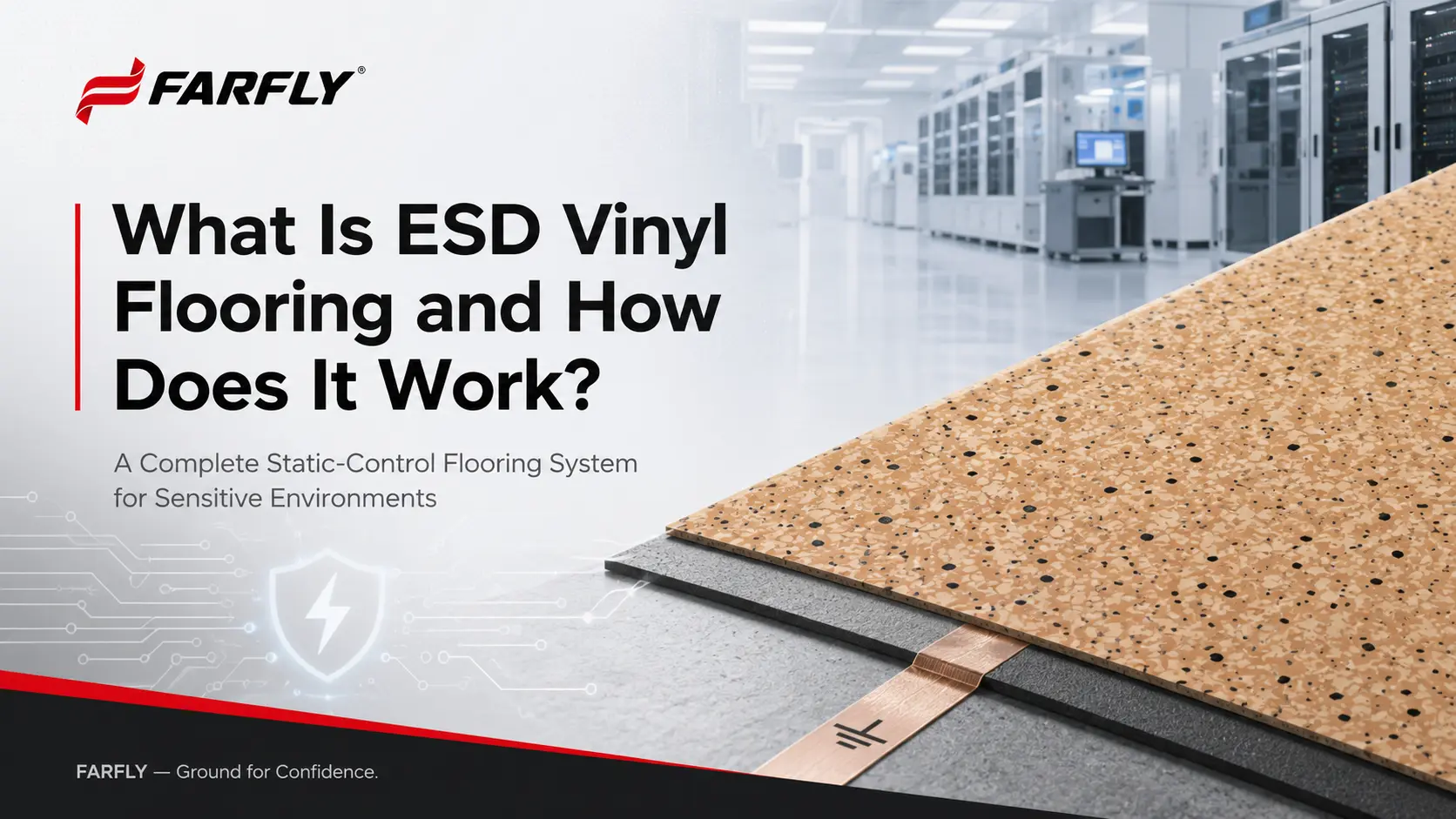
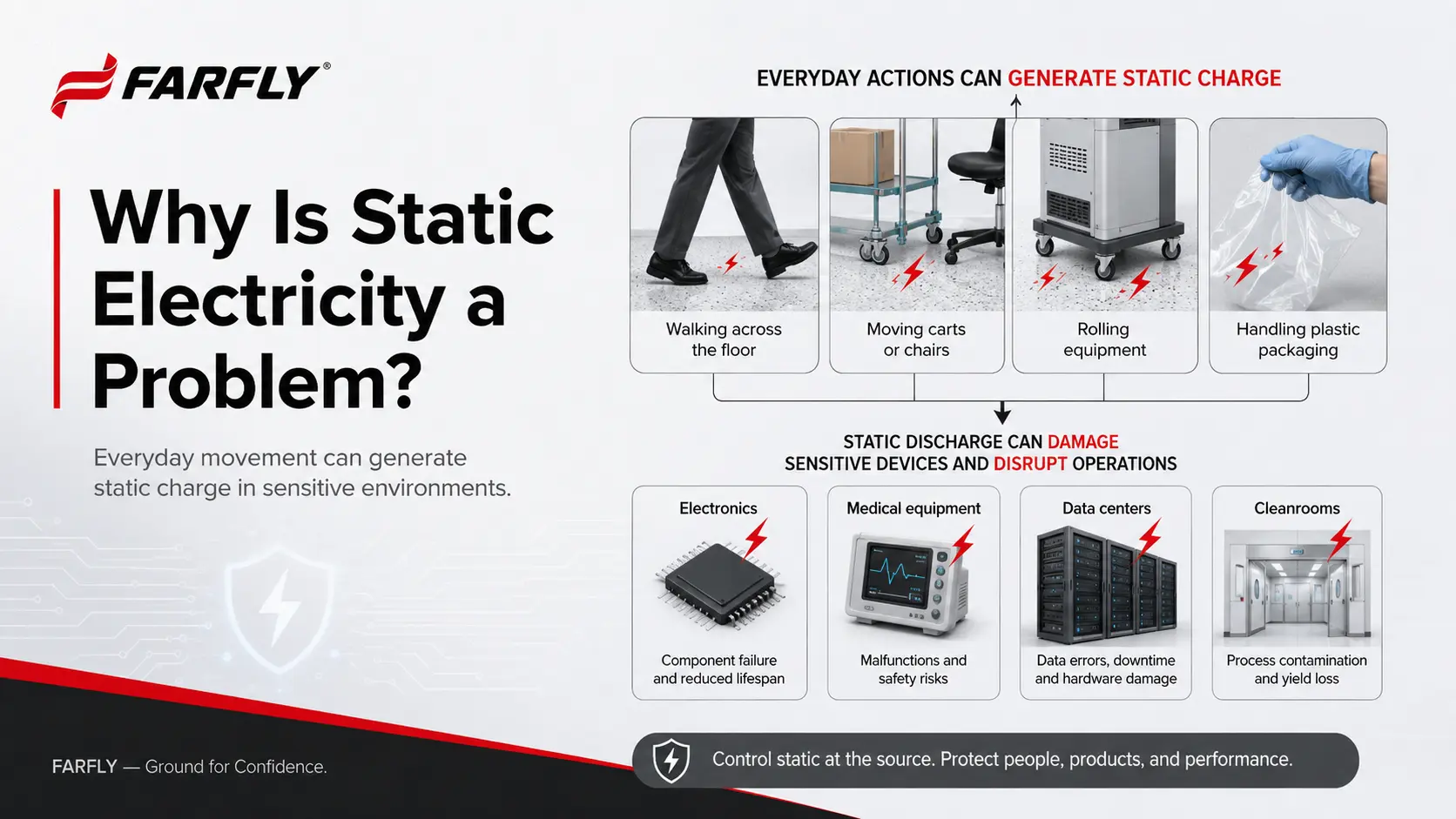
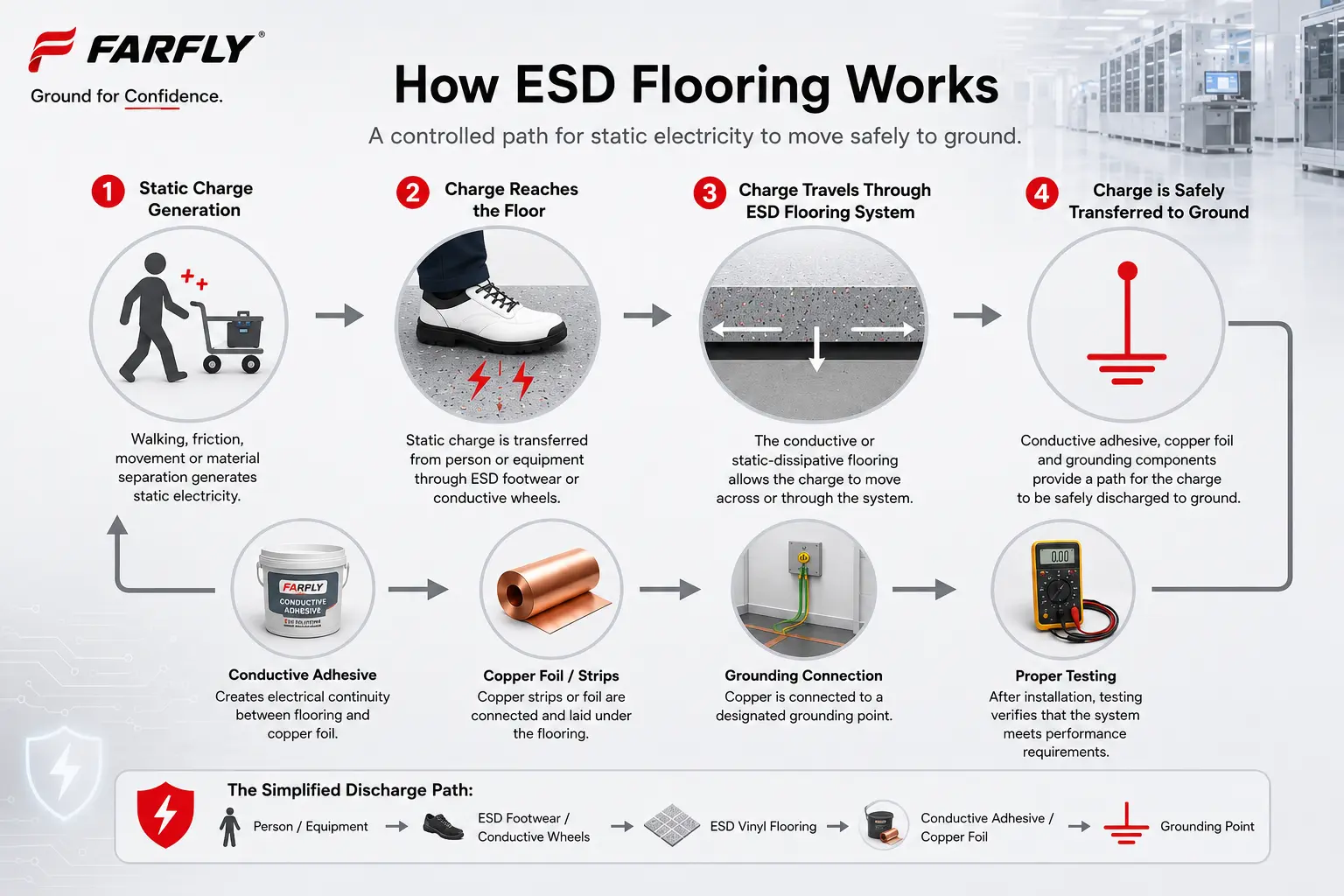
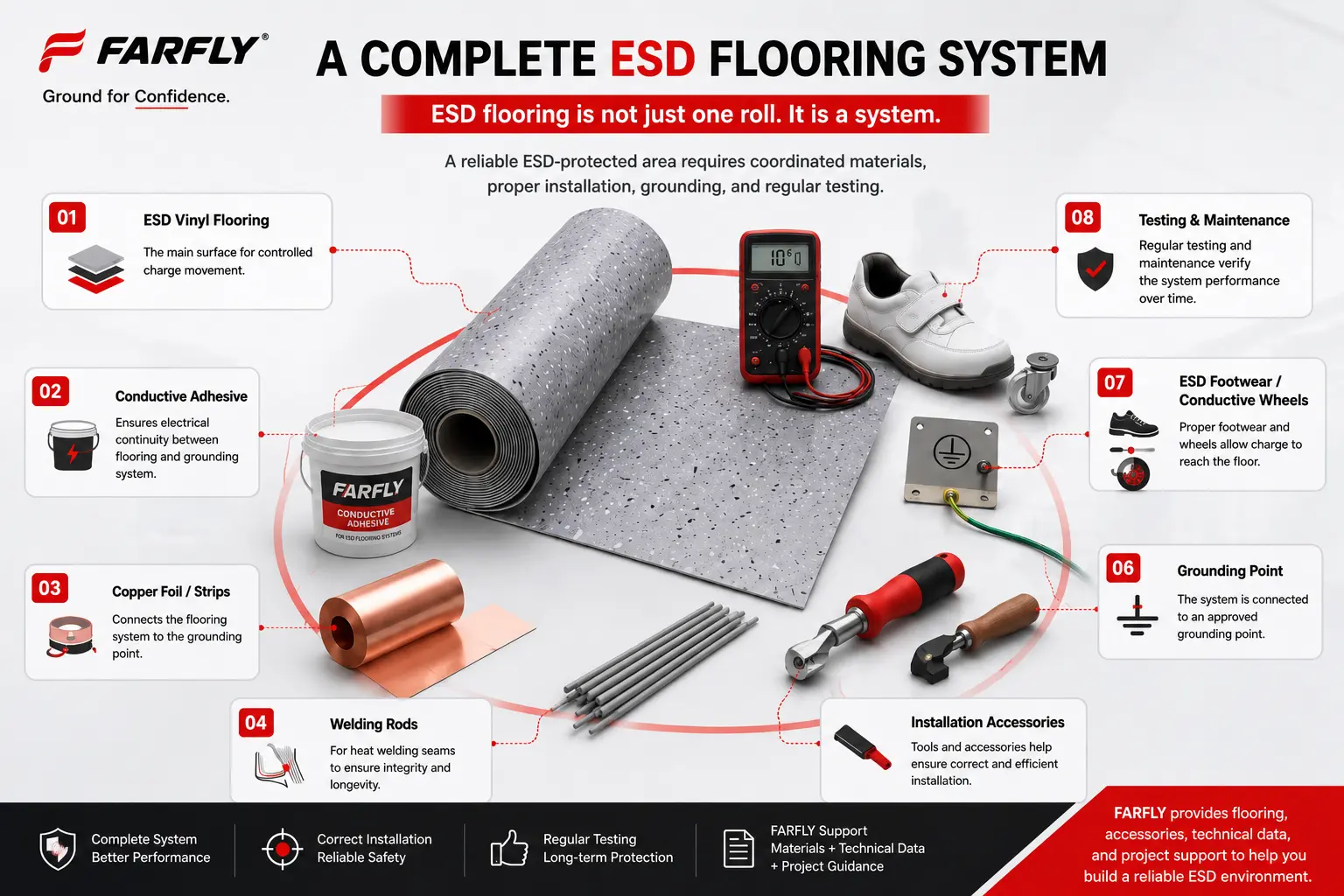
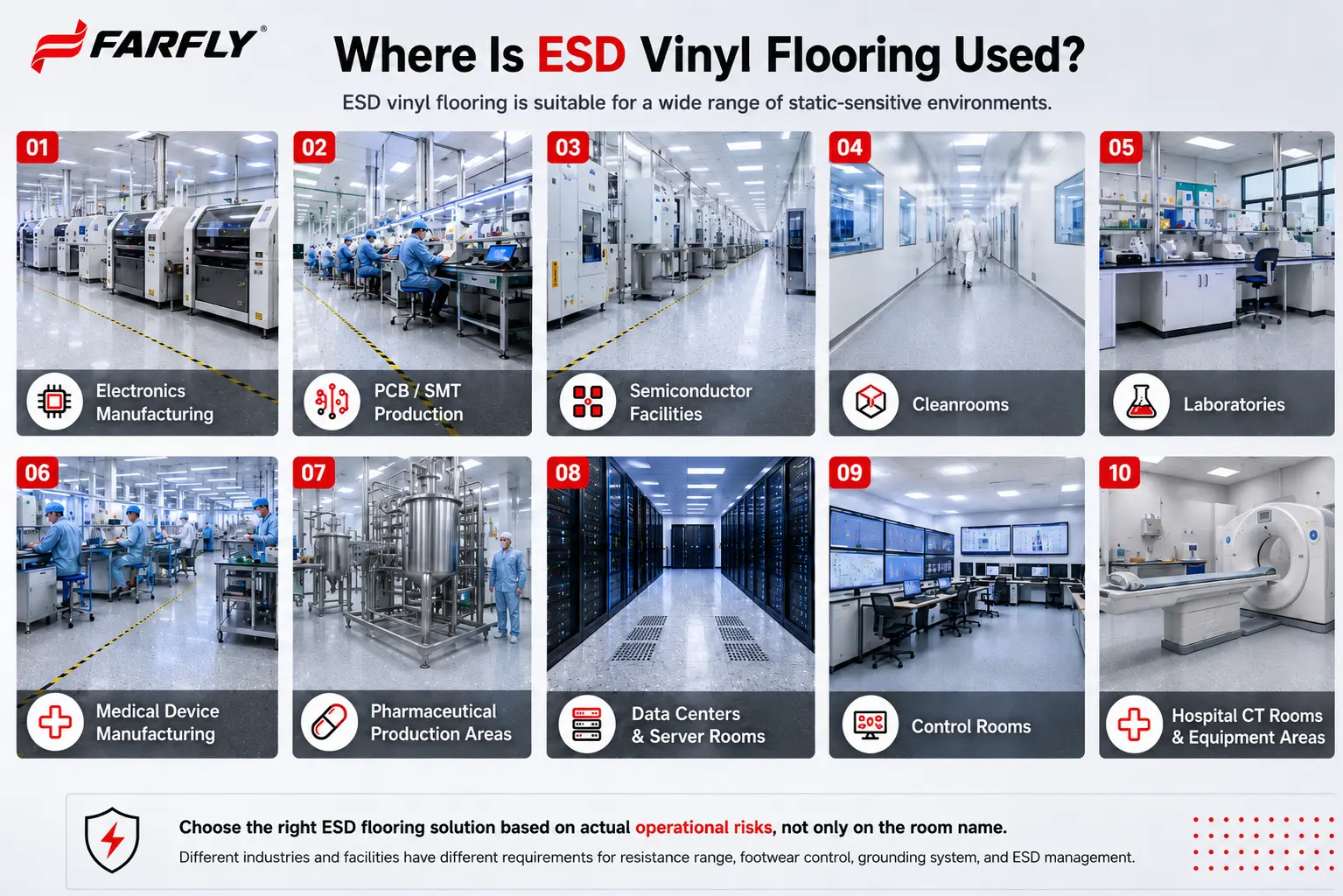
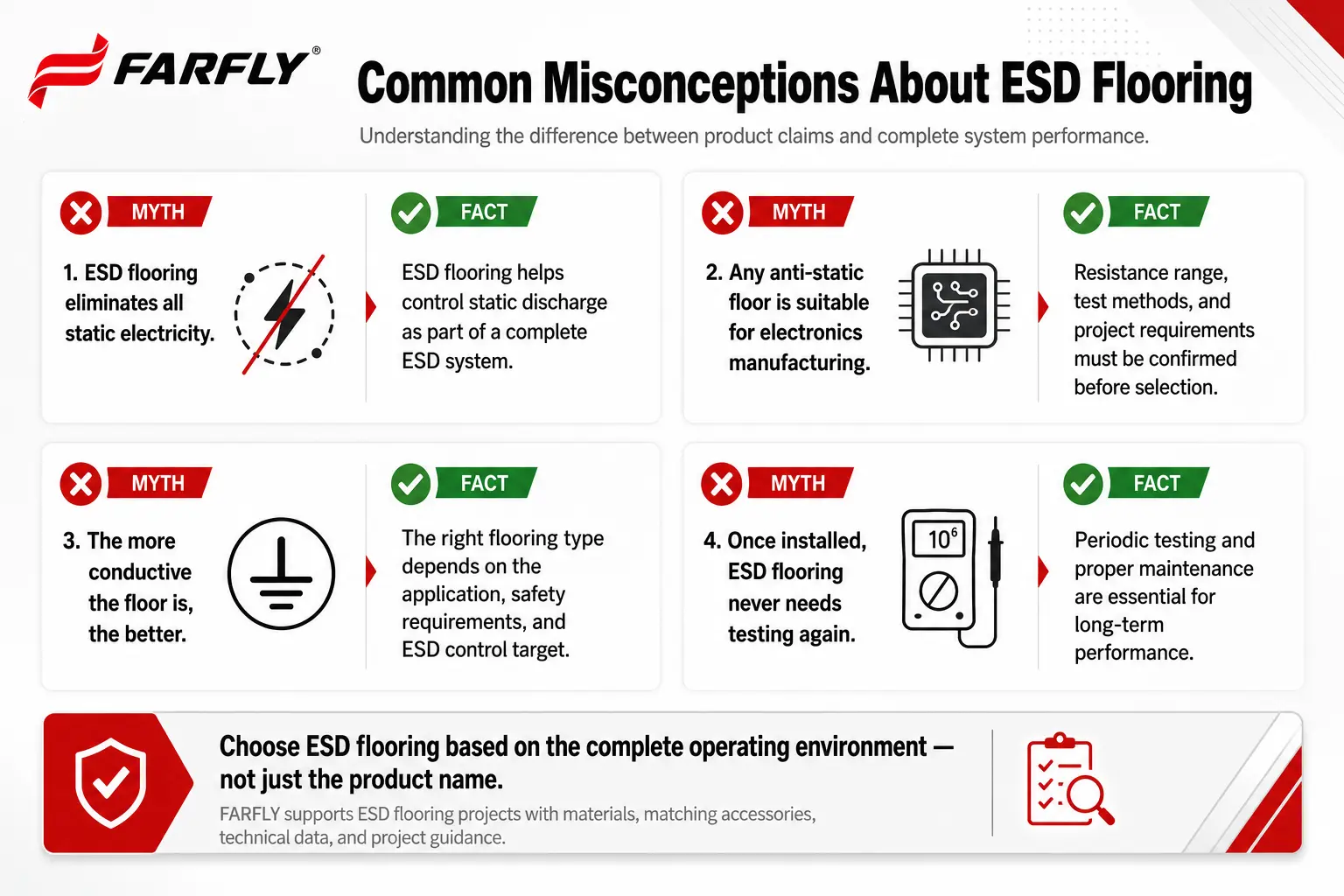
Static electricity may seem harmless, but in electronics manufacturing, laboratories, cleanrooms and data centers, even a small electrostatic discharge can damage sensitive components, interrupt operations or create costly quality problems.
In the outpatient department (OPD) sections of hospitals, various types of flooring are chosen to meet the stringent hygiene, safety, and durability standards required in healthcare environments. The most common types of flooring used include:
1. Homogeneous Vinyl Flooring
Durable and Easy to Maintain: Made of a single layer with uniform composition, it is highly resistant to wear and tear, making it suitable for high-traffic areas.
Seamless and Non-Porous: Helps in maintaining a sterile environment by preventing the accumulation of dirt and bacteria.
Chemical and Stain Resistant: Ideal for environments where spills and cleaning agents are frequently used.
Antimicrobial Properties: Often treated to reduce the growth of bacteria and other microorganisms.
2. Heterogeneous Vinyl Flooring
Design Flexibility: Composed of multiple layers, including a printed top layer that mimics various designs and patterns, enhancing the aesthetic appeal.
Durability: Provides similar benefits to homogeneous vinyl in terms of ease of cleaning and resistance to chemicals and stains.
3. Rubber Flooring
Comfort and Safety: Known for its soft, cushioned surface, reducing fatigue for staff and providing slip resistance.
Easy to Clean: Resistant to stains and chemicals, making it suitable for hospital environments.
4. PVC Anti-Static Flooring
Static Dissipative Properties: Prevents the buildup of static electricity, crucial for protecting sensitive electronic medical equipment.
Safety: Anti-static and slip-resistant properties enhance safety for both equipment and people.
Considerations:
Installation: Professional installation is required to ensure the effectiveness of features like static dissipation.
Maintenance: Requires specific cleaning agents to maintain properties without compromising functionality.
These flooring options are selected for their ability to withstand rigorous cleaning and disinfecting processes, ensuring a safe, comfortable, and hygienic environment for patients and staff in the OPD sections of hospitals.
Homogeneous flooring and heterogeneous flooring are two main types of PVC flooring, and they differ in structure, performance, and application. Here are the key differences:
Homogeneous Flooring: This type of flooring is made of the same material throughout the entire structure (from the surface to the base), usually a single type of PVC resin. The color and pattern are consistent throughout the floor. Its advantage is that if the surface wears out, the underlying layers remain the same color and pattern, making it more durable and suitable for high-traffic areas and environments that require long-term use.
Heterogeneous Flooring: This type consists of multiple layers, usually with a thicker top layer made from a PVC or a polymer blend, supported by a backing and substrate layers. The top layer typically features colors, patterns, or textures, while the lower layers provide additional support and comfort. Its structure is more complex, making it suitable for areas with higher aesthetic, comfort, and soundproofing requirements.
Homogeneous Flooring: Due to its uniform material composition, this flooring is highly durable and abrasion-resistant, ideal for high-traffic, heavy-load environments such as hospitals, shopping malls, and industrial plants. If the surface is damaged, the color and pattern remain consistent, making the damage less noticeable.
Heterogeneous Flooring: The surface layer is thinner, and while it is more aesthetically pleasing, once the surface is worn, the underlying layers' color and pattern may differ, making the damage more visible. Maintenance can be more complex, especially in high-friction environments.
Homogeneous Flooring: Ideal for places requiring high wear resistance, durability, and strong compressive strength, such as industrial workshops, hospitals, shopping malls, and sports venues. These areas often need long-term, high-frequency use with minimal tolerance for surface wear.
Heterogeneous Flooring: Better suited for environments where aesthetic appearance, comfort, and noise control are important, such as offices, schools, residential areas, and hotels. These spaces may not require the same level of wear resistance as homogeneous flooring but have higher demands for design and comfort.
Homogeneous Flooring: Single-material structure, highly durable, suitable for high-traffic and high-wear environments, easy to maintain, ideal for industrial and commercial use.
Heterogeneous Flooring: Made of multiple layers, more aesthetically pleasing, comfortable, and soundproof, suitable for environments where appearance and comfort are more important, but more susceptible to wear and requires more complex maintenance.
The choice between these two types of flooring depends on the specific needs and conditions of the application environment.
Yes, homogeneous flooring can be used in bathrooms, and it is actually quite suitable for this environment. Homogeneous vinyl flooring is made from a single, consistent material throughout the entire thickness of the floor, which offers several benefits for bathroom settings:
Water Resistance: Homogeneous vinyl is water-resistant, which is a key requirement for bathroom flooring. It prevents water absorption, reducing the risk of mold and mildew growth.
Seamless Installation: The seamless nature of homogeneous vinyl reduces the risk of water seeping through joints or seams, making it easier to maintain a waterproof surface.
Durability: This type of flooring is highly durable and can withstand the foot traffic typically found in bathrooms. It resists scratches, stains, and wear, which is important in a high-moisture environment.
Slip Resistance: Homogeneous vinyl flooring can be produced with anti-slip textures, making it safer to walk on when wet, which is a crucial safety feature in bathrooms.
Easy to Clean and Maintain: Homogeneous vinyl is easy to clean, which is essential in a bathroom where spills, stains, and grime are common.
Aesthetic Versatility: It comes in various colors and designs, which can complement the overall design of your bathroom.
Considerations:
Proper Installation: Ensure that it’s installed correctly with proper waterproofing, especially around the edges and seams, to prevent water infiltration under the floor.
Ventilation: Good ventilation in the bathroom is necessary to reduce humidity levels, which can extend the lifespan of your floor and prevent issues like mold growth.
Water Stains: Clean up water stains in a timely manner to prevent the floor from getting soaked. Although homogeneous vinyl is water-resistant, prolonged exposure to water can cause damage or staining if not promptly addressed.
In summary, homogeneous vinyl flooring is a highly suitable choice for bathrooms due to its water resistance, durability, ease of maintenance, and safety features.
2mm thick homogeneous PVC flooring offers good wear resistance and compressive strength, but whether it can withstand forklift traffic and the maximum load depends on the specific properties of the flooring, the usage environment, and the characteristics of the forklift.
Features of Wear-Resistant Homogeneous Flooring:
Flooring with a high wear resistance rating is typically used in environments that require high abrasion resistance, such as commercial, industrial, or high-traffic areas. This type of flooring has strong scratch resistance and durability, but its load-bearing capacity is still influenced by the thickness of the flooring and the support of the subfloor.
Considerations for Forklift Traffic:
Floor Thickness: A 2mm thickness can generally withstand light to medium forklift loads in standard commercial environments, but for very heavy forklifts (such as those with large electric or industrial forklifts), the 2mm thickness may not be suitable for long-term use under high load.
Subfloor Support and Installation: Even with a high wear-resistant floor, if the subfloor is not solid enough, it may lead to indentations or deformation. Therefore, it is crucial to ensure that the floor is installed on a level and firm surface.
Forklift Type and Tires: The weight of the forklift and the design of its tires will also affect the load-bearing capacity of the floor. Forklifts with larger tires distribute weight more evenly, reducing the pressure on the floor, while smaller tires or high-load forklifts may exert concentrated pressure on the floor.
Maximum Load:
For 2mm thick wear-resistant homogeneous PVC flooring, the maximum load a forklift can carry is approximately 1.5 to 2 tons (depending on the distribution of the forklift's tires). If the forklift has wider tires or the floor is smooth and level, this load range may be slightly higher.
However, if forklifts are used frequently, especially in high-load, high-frequency environments, it is recommended to consider using thicker homogeneous flooring (such as 3mm thick) to prevent premature wear or damage to the floor.
Certainly! Here are some important notes on how refinishing or repairing a cracked PVC floor might impact the appearance, particularly in terms of color differences, thickness, and texture:
Color Differences Between Old and New Material:
Fading: Over time, the color of PVC flooring can fade due to exposure to sunlight, wear, and cleaning chemicals. New patches or replacement pieces may not match the exact color of the surrounding floor, especially if they are newly manufactured. The difference may be subtle or noticeable depending on the age of the existing flooring.
Staining or Discoloration: If you are repairing the floor by applying adhesive, seam sealers, or fillers, there is a chance that these materials could cause slight discoloration in the affected area, especially if not applied evenly or if excess adhesive is left on the surface.
Match and Blend: When replacing a damaged section with new material, it's crucial to select a replacement piece that is either from the same batch or as close a match as possible in color and pattern. Sometimes, even slight variations in batch or production lot can create noticeable differences.
Effect of Cleaning or Refinishing:
Polishing or Refinishing: If you decide to polish or refinish the entire floor after repairing it, it could enhance or restore the color of the old material, making it more uniform. However, keep in mind that the areas around the repair may appear slightly lighter or darker than the rest of the floor, particularly if the floor has been exposed to UV light, heat, or wear for a long period.
UV Exposure: New areas of PVC flooring might still be "fresh" and can darken or change slightly in color once exposed to UV light, potentially helping to blend the repaired area into the surrounding floor over time.
Differences in Thickness:
Original Floor vs. Replacement Piece: The thickness of the replacement material should match the existing floor as closely as possible to avoid an uneven surface. However, over time, the original floor may have compressed or worn down, making it difficult to match the exact thickness of a new piece. If the replacement piece is slightly thicker, you may need to trim the edges or sand it down after installation.
Leveling and Unevenness: If the repair area is uneven in thickness, it could result in visible bumps or ridges after the floor is refinished or polished. Ensuring that the adhesive is applied evenly and that the replacement piece is properly set into place will help reduce this risk.
Texture Differences:
Surface Texture Variations: PVC flooring typically has a textured surface (such as wood-grain, smooth, or embossed patterns). New repair pieces may have a slightly different texture or finish than the older sections. It might not be possible to perfectly match the texture of the floor if the wear and tear on the original flooring have altered its surface over time. This difference in texture can be noticeable under certain lighting or when the floor is touched.
Seam Lines: Depending on the type of repair, you might notice seam lines where the patch was added. If using a replacement piece, be sure to match the texture of the existing floor carefully to blend the seam. Seam sealer or a smoothing tool can help reduce the appearance of visible seams, but they may still be slightly noticeable, especially if the flooring has a strong pattern.
By considering these factors during the repair process, you can minimize the visual differences and achieve a more seamless result. Would you like additional details on specific refinishing products or techniques?
Proper surface preparation is crucial to ensure that the PVC flooring adheres properly to the tiles and that the finished result is smooth and durable.
Clean the Tiled Floor:
Thoroughly clean the tile surface to remove any dirt, grime, grease, or oils. Use a degreaser or all-purpose cleaner and scrub the tiles well, as any residue could interfere with the adhesion of the PVC flooring.
Make sure the surface is completely dry before proceeding.
Fill in Grout Lines:
Tiles typically have grout lines that are raised above the surface of the tiles. These can create an uneven surface for the PVC flooring.
Option 1: You can fill these grout lines with a floor leveling compound or self-leveling underlayment. This will create a flat surface for the PVC flooring to adhere to.
Option 2: If the grout lines are shallow, you might choose to leave them as is, but you'll need to ensure that the adhesive used is strong enough to bond to both the tile and the grout. In this case, it's important to apply a thicker adhesive to compensate for the unevenness.
Check for Cracks and Damage:
Inspect the tiled floor for any cracks or damage. If tiles are loose, cracked, or damaged, these issues should be repaired or replaced before proceeding. If left untreated, these imperfections may show through the new PVC floor.
Use a suitable tile repair filler for cracks, and ensure the surface is smooth before installation.
Choosing the right adhesive is essential to achieving a secure and lasting bond between the PVC flooring and the tiled surface.
Type of Adhesive:
Pressure-sensitive adhesive: Commonly used for PVC flooring, pressure-sensitive adhesives allow for repositioning during installation but will bond firmly once pressure is applied.
Full-spread adhesive: For better adhesion, you may need to use a full-spread adhesive, especially if the tiles are non-porous or if the surface has residual dirt or grease.
Contact cement: In some cases, contact cement may be necessary for areas with heavy traffic, as it creates a very strong bond once pressed together.
Test Compatibility:
Always test the adhesive on a small area to check its compatibility with both the tile surface and the PVC flooring. Some adhesives might not work well with certain types of tiles (e.g., glossy or highly sealed tiles).
Smooth, Flat Surface:
Tiles with deep grout lines or raised areas can cause the PVC flooring to buckle or wear prematurely. If the tiles have uneven spots, consider applying a self-leveling compound to create a smoother surface for the PVC flooring to rest on.
Avoid Excessive Height:
Be mindful of the height increase due to the thickness of the leveling compound and the PVC flooring. Too much height difference between adjacent rooms or floor transitions can result in a tripping hazard. Use transition strips if necessary to blend the new floor with other areas of the home.
Before installation, allow the PVC flooring to acclimate to the room’s temperature for 24–48 hours. This helps reduce the risk of expansion or contraction after installation, especially if the room temperature fluctuates.
Temperature Conditions:
Make sure the room temperature is between 65°F and 85°F (18°C to 29°C) during installation. Extreme temperatures can affect both the PVC flooring and the adhesive.
Firstly, when recommending homogeneous flooring for customer orders, choose customised iodine-resistant homogeneous flooring.
It would be difficult to completely wipe away the iodine on a regular homogeneous floor.
You can start by following the steps below.
To clean iodine stains from a homogeneous vinyl floor, follow these steps:
Act Quickly: The sooner you address the stain, the easier it will be to remove.
Blot the Area: If the iodine spill is fresh, use a clean cloth to blot the area, removing as much of the excess liquid as possible. Avoid rubbing, as it may spread the stain.
Mild Soap and Water: Mix warm water with a mild detergent (like dish soap). Use a soft cloth or sponge to clean the stained area. Gently scrub to lift the iodine stain.
Use a Floor Cleaner: If soap and water don't work, use a vinyl floor cleaner that’s safe for homogeneous floors. Follow the instructions on the product for best results.
Hydrogen Peroxide Solution: If the stain persists, you can try a diluted hydrogen peroxide solution (around 3% hydrogen peroxide). Dampen a cloth with it and gently blot or wipe the stained area. Be sure to test this on a small, inconspicuous spot first to ensure it doesn’t damage the surface.
Baking Soda Paste: For tougher stains, create a paste by mixing baking soda and a small amount of water. Apply the paste to the iodine stain, let it sit for a few minutes, then gently scrub with a soft brush or sponge. Wipe away the paste with a damp cloth.
Rinse and Dry: After using any cleaning solution, make sure to rinse the area thoroughly with water to remove any residue. Dry the area with a clean cloth to prevent moisture damage.
Check for Residual Stains: If any iodine stain remains, you might need to repeat the process or use a specialized floor cleaner for stubborn stains. If the stain is too deep, consider consulting a professional.
Always follow the factory's guidelines for cleaning your specific floor to avoid causing damage.
When installing PVC rolls (also called roll vinyl flooring), there are specific cases where glue is needed, and others where it is not. The decision largely depends on the type of installation, the subfloor condition, and the application area. Here’s a breakdown:
Permanent Installations:
Description: PVC rolls are usually glued down when the installation is intended to be long-term and stable. This is the most common method for areas where the flooring needs to stay securely in place without any shifting or buckling.
Best for: Commercial spaces, high-traffic areas, kitchens, bathrooms, and other places where stability is key.
Common Areas:
Commercial settings (hospitals, offices, retail spaces)
High-traffic residential spaces (entryways, kitchens)
Moisture-prone areas (bathrooms, laundry rooms)
Uneven Subfloors:
Description: If the subfloor is uneven or there are dips and peaks, glue-down installation ensures that the PVC sheet remains secure and even. Glue helps prevent the flooring from moving or shifting in these irregular areas.
Best for: Subfloors that are not perfectly smooth (e.g., plywood, concrete with imperfections).
High Moisture Environments:
Description: In areas prone to high moisture (like bathrooms, kitchens, or laundry rooms), using adhesive provides a strong bond to the subfloor, reducing the risk of water seeping under the vinyl and causing damage.
Best for: Moisture-prone rooms where stability and waterproofing are crucial.
Heavy Traffic Areas:
Description: In spaces that experience a lot of foot traffic, such as public spaces or commercial buildings, gluing down PVC rolls ensures the floor stays in place and doesn’t wrinkle or shift.
Best for: Commercial spaces, high-traffic areas, and places that need extra durability.
Examples: hospitals, schools, shopping malls, offices, sports halls
Temporary or Removable Installations:
Description: In cases where the flooring may need to be replaced or moved (such as in rented spaces or temporary installations), loose-lay vinyl sheets are an option. These sheets rely on their own weight and friction to stay in place, eliminating the need for adhesive.
Best for: Temporary flooring or rental properties where easy removal or replacement is desired.
Smooth, Level Subfloors:
Description: If the subfloor is perfectly smooth and level, some PVC rolls come with an adhesive backing that allows the sheet to be installed without additional glue. The backing adheres to the subfloor directly, and the vinyl stays in place.
Best for: Level subfloors such as smooth concrete or plywood, where the adhesive backing can create a strong enough bond.
Floating Installation with No Adhesive:
Description: Some PVC rolls are designed to be installed in a floating manner, especially when the vinyl is engineered with a backing that provides enough friction to hold the sheet in place. In these cases, the flooring can stay secure without the need for glue.
Best for: Easy installations in low-traffic areas where permanence is not a requirement, and removal or reinstallation may be necessary.
For example: badminton courts in comprehensive sports clubs can be fitted with removable flooring that can be stowed away at any time.
LVT: Luxury Vinyl Tile
SPC: Stone Plastic Composite ( Stone Polymer Composite)
LVT: The core is made from flexible vinyl material, allowing it to bend and mold around minor imperfections in the subfloor. This makes it more comfortable to walk on but can make it less durable compared to SPC in high-impact areas.
SPC: The core is made from a mixture of limestone powder and PVC, giving it a rigid structure. This provides better stability, making SPC flooring more resistant to dents and impacts. It’s highly stable and resistant to expansion and contraction due to temperature changes.
LVT: Generally more flexible and slightly less durable than SPC, especially in high-traffic or high-moisture areas. The flexibility of LVT makes it more susceptible to damage from sharp objects or heavy furniture unless it's supported by a solid underlayment.
SPC: The rigid core gives SPC flooring a high level of durability. It is resistant to dents, impacts, and moisture, making it better suited for high-traffic commercial areas or spaces with heavy furniture or appliances. It also provides superior stability in areas with fluctuating temperatures.
LVT: Most LVT flooring is highly water-resistant but may still have seams or edges that allow water to seep through if not properly sealed. It’s typically water-resistant but not fully waterproof unless specified by the manufacturer.
SPC: Completely waterproof, making it ideal for wet areas like bathrooms, kitchens, and basements. The rigid core prevents moisture from affecting the flooring, and any water spilled on the surface is unlikely to cause damage.
LVT: The softer, flexible core provides more comfort underfoot and better sound insulation compared to SPC, especially if the LVT has a cushioned backing or underlayment.
SPC: Because of its rigid structure, SPC flooring tends to be less cushioned and can feel harder underfoot. However, it can be paired with an underlayment for improved comfort and soundproofing.
LVT: Available in different formats like glue-down, click-lock, or loose-lay. It’s easier to install and can be a DIY-friendly option, particularly if you choose click-lock or loose-lay LVT.
SPC: Typically installed using a click-lock system, making it easy for DIY installations. Since it doesn’t require glue, it’s relatively quick to install. The rigid core makes it easier to handle during installation.
LVT: Generally more affordable compared to SPC, especially for residential use. The price can vary based on thickness, design, and brand, but overall, LVT tends to be the budget-friendly option.
SPC: SPC is slightly more expensive due to the rigid core material and its superior durability. However, it’s still relatively affordable compared to other high-end flooring options like hardwood.
LVT: Suitable for residential settings and light commercial use, especially in areas where comfort and ease of installation are important. It's a great choice for living rooms, bedrooms, kitchens, and bathrooms in residential spaces.
SPC: Ideal for both residential and commercial spaces that need extra durability, stability, and resistance to moisture. It’s especially well-suited for high-traffic areas, retail spaces, offices, and wet areas like basements.
LVT is a great option for those who want a more flexible, comfortable, and affordable flooring solution with a variety of styles. It’s perfect for residential spaces and light commercial applications where comfort and ease of installation are important.
SPC is the better choice for those looking for enhanced durability, waterproofing, and stability in high-traffic areas or environments with fluctuating temperatures. It’s especially ideal for commercial spaces, wet rooms, and anywhere that needs a tough, long-lasting floor.
Each has its benefits, and the choice depends on your specific needs and the conditions of the space you're installing the flooring in.
Installing vinyl flooring on a basketball court involves several key steps to ensure a smooth, durable, and professional finish. Here’s a comprehensive guide to the process:
Materials and Tools Needed:
Weld line
Welding torch
Slotter
Adhesive suitable for vinyl flooring
Measuring tape
Utility knife or vinyl cutter
Roller (preferably a heavy-duty one)
Trowel
Chalk line or laser level
Steps for Installation:
Preparation:
Inspect the Subfloor: Ensure the subfloor is smooth, level, dry, and clean. Any imperfections can affect the vinyl installation.
Clean the Subfloor: Remove any dust, dirt, or grease. Use a degreaser if necessary.
Repair the Subfloor: Fill in any cracks or holes with a suitable filler and sand it smooth.
Acclimate the Vinyl: Allow the vinyl flooring to acclimate to the room temperature for at least 24 hours.
Layout Planning:
Measure and Mark: Measure the dimensions of the court and mark the centerlines using a chalk line or laser level. This helps in aligning the vinyl flooring correctly.
Dry Lay the Vinyl: Lay out the vinyl pieces without adhesive to ensure proper fit and alignment. Adjust as necessary.
Applying Adhesive:
Choose the Right Adhesive: Please use special glue (water-based glue) for PVC flooring.
Spread the Adhesive: Using a trowel, spread the adhesive evenly on the subfloor. Work in small sections to prevent the adhesive from drying out before you lay the vinyl.After applying the adhesive, you need to have to wait for the water to evaporate, which is about 30-40 minutes.
Laying the Vinyl:
Start at the Center: Begin laying the vinyl from the center of the court and work your way outwards. This ensures symmetry and reduces visible seams.
Press and Smooth: As you lay each section, press it down firmly and smooth out any air bubbles using a roller. A heavy-duty roller works best for this task.
Trim Excess Vinyl: Use a utility knife or vinyl cutter to trim any excess material around the edges.
Slotting:
The gaps between the floors are cut with a grooving machine to create notches. The depth of the grooves is 2/3 of the floor.
Sealing Seams:
Heat Welding : Heat the welding wire with a soldering gun to soften the wire and embed it in the floor groove. Ensure a seamless link between the floors.
Finishing Touches:
Clean the Surface: Once the adhesive has cured, clean the surface of the vinyl with a suitable floor cleaner to remove any residue.
Maintenance:
Regular Cleaning: Keep the floor clean by regularly sweeping and mopping with a vinyl-safe cleaner.
By following these steps, you can ensure a professional installation of vinyl flooring on a basketball court, providing a durable and aesthetically pleasing playing surface.

Add : No.5 Huaqing Intelligent Park, Huishan District, Wuxi, Jiangsu, China
Please read on, stay posted, subscribe, and we welcome you to tell us what you think.


Copyright © 2026 WUXI TEFA DECORATION MATERIAL CO., LTD. All Rights Reserved.
Sitemap | Blog | Xml | Privacy Policy
 Network Supported
 English
 français
 español
 português
 العربية